
How Much Does Outdoor Living Cost in Orlando?
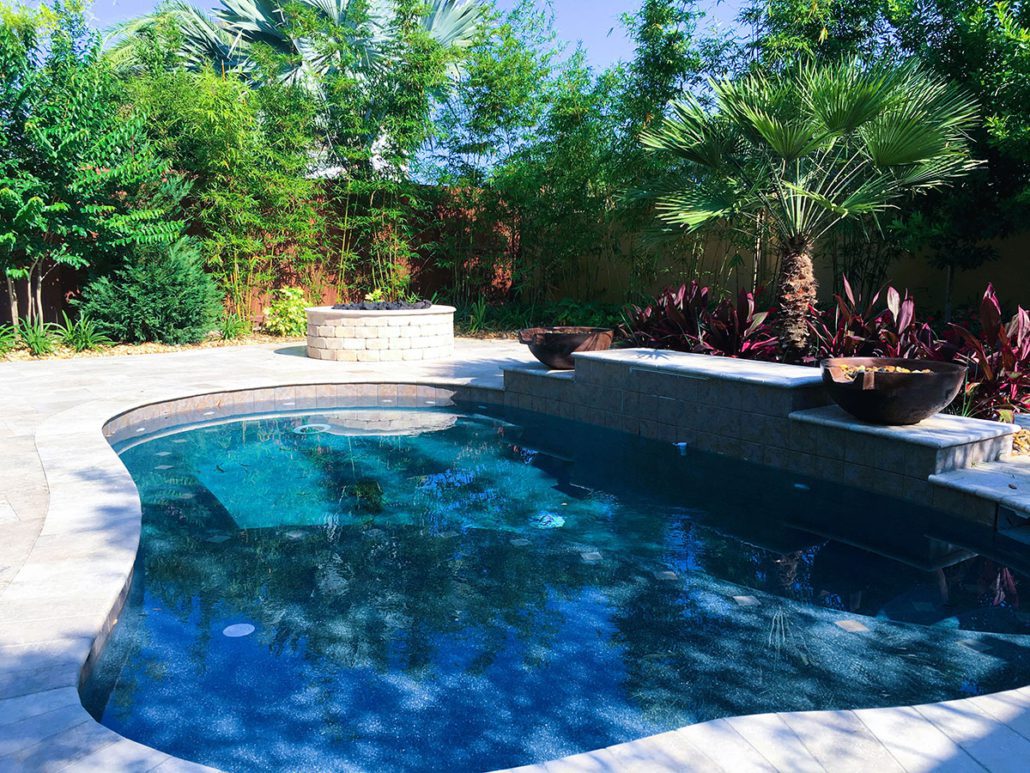
One of the most common questions homeowners ask when planning an outdoor living project is cost.
The answer is rarely tied to a single number.
Outdoor living projects throughout Orlando, Florida can vary significantly depending on the size of the property, the level of coordination involved, the materials selected, and the overall vision for how the outdoor spaces are intended to function together over time.
Some projects focus on a single outdoor area. Others involve shaping multiple outdoor spaces into a more cohesive environment that feels connected to the home, landscape, and overall character of the property.
That is why outdoor living investment is often less about pricing an individual feature and more about understanding the broader direction of the property as a whole.
Homeowners exploring luxury outdoor living in Orlando are often evaluating not just materials or features, but how the outdoor environment will ultimately feel, function, and evolve over time.
Why Outdoor Living Costs Can Vary So Much
No two outdoor environments are exactly alike.
Even properties with similar square footage may require very different levels of planning, grading, drainage, structural work, planting, lighting, and spatial coordination depending on the goals of the project.
Investment levels are often influenced by factors such as:
- Overall layout and circulation
- Existing site conditions and elevation changes
- Hardscape and structural requirements
- Material and finish selections
- Outdoor lighting integration
- Planting scale and tree maturity
- Covered structures and gathering spaces
- Water and fire features
- Long-term phased planning across the property
As projects become more customized and more layered across the property, the level of planning and coordination naturally increases as well.
Outdoor Living Is About More Than Individual Features
One of the biggest misconceptions about outdoor living is that projects can be understood simply by pricing individual components.
In reality, outdoor environments are often shaped by how the entire property functions together.
A patio, pool, pergola, lighting system, planting plan, and circulation path may all operate as separate elements, but when they are planned together they begin to create a more unified experience throughout the property.
That level of coordination often affects investment more than any single feature alone.
The difference is not just what is being installed — it is how the outdoor spaces relate to each other overall.
This distinction is part of what separates outdoor living design from traditional landscaping alone. Homeowners unfamiliar with the difference may also find value in understanding the difference between landscaping and outdoor living design before evaluating project scope and investment expectations.
Scope and Finish Level Matter
It is usually more helpful to think in terms of overall scope and finish level rather than searching for generalized price ranges.
For example, a concrete paver patio and a natural stone installation may serve a similar function, but the overall visual character, detailing, installation complexity, and long-term feel of the environment can be very different.
The same principle applies throughout the property.
A project centered around a single outdoor feature will naturally differ from a larger outdoor environment where lighting, planting, gathering spaces, structures, transitions, and privacy layers are all being composed together intentionally.
As more systems and design elements become integrated into the project, the level of investment can change substantially.
A Simple Example: Tree Selection
Tree selection is a useful example of how outdoor living decisions can influence both experience and investment.
A smaller tree and a large mature tree may ultimately serve the same general purpose, but they create very different results once the project is completed.
- Smaller material typically fills in gradually over time
- Larger material creates immediate scale, screening, and visual presence
Neither approach is inherently better.
The difference is often tied to the intended experience, the desired level of maturity on day one, and the broader direction of the property itself.
That same principle applies throughout the outdoor environment.
What Typically Drives Investment the Most
Some of the biggest factors that influence outdoor living investment include:
- Large hardscape and patio areas
- Walls, grading, and structural transitions
- Outdoor lighting systems
- Covered structures and architectural features
- Water and fire elements
- Specialty materials and finish selections
- Mature trees and large-scale planting plans
- Coordination between multiple outdoor spaces
- Long-term phased development across the property
As these elements become layered together, projects naturally move into higher levels of complexity, planning, and investment.
Different Properties Require Different Approaches
Every homeowner approaches outdoor living differently.
Some prefer creating a highly finished environment from the beginning. Others prefer developing the property gradually in phases over time.
Neither approach is right or wrong.
What matters most is having a clear direction for the property so future additions continue to feel cohesive rather than independently assembled over several years.
This planning process often becomes especially important on larger estate-style properties throughout the Greater Orlando area where multiple gathering spaces, circulation paths, privacy layers, and outdoor experiences may all interact together.
Many homeowners begin this process by first understanding what a luxury outdoor living designer actually does and how long-term planning influences the overall direction of the property.
Planning Often Shapes Investment More Than Expected
One of the most important parts of outdoor living planning is understanding how the property is intended to function before major decisions are made.
Meaningful investment discussions usually happen after evaluating:
- How the outdoor spaces will connect
- Which areas should be prioritized first
- Whether the project will be phased over time
- How circulation and privacy should function
- Which materials best fit the property
- How the environment should feel once completed
This type of planning often leads to a more cohesive result and helps ensure the investment is being used intentionally rather than reactively.
In many cases, long-term master planning also helps avoid situations where disconnected improvements eventually compete with each other visually or functionally over time.
For many larger properties, this type of coordination often begins with an overall landscape design strategy that establishes how the outdoor spaces should evolve together over time.
Frequently Asked Questions About Outdoor Living Costs in Orlando
Why do outdoor living costs vary so much in Orlando?
Outdoor living projects can vary significantly depending on the size of the property, site conditions, material selections, structural requirements, and how many outdoor elements are being coordinated together. Projects that involve multiple outdoor spaces, lighting systems, structures, privacy layers, and long-term planning naturally require a higher level of coordination and investment.
Is it better to complete an outdoor living project all at once or in phases?
Both approaches can work well depending on the goals of the property and the homeowner’s priorities. Some homeowners prefer creating a fully finished environment from the beginning, while others develop the property gradually over time. In either case, long-term planning helps ensure future additions continue to feel cohesive rather than disconnected.
What factors usually influence outdoor living investment the most?
Some of the biggest factors include large hardscape areas, structural transitions, outdoor lighting systems, covered spaces, specialty materials, mature trees, grading requirements, and the level of coordination between multiple outdoor spaces throughout the property.
Does planning affect the overall direction and investment of an outdoor living project?
Planning often has a significant influence on both the direction and efficiency of a project. A thoughtful design approach helps prioritize spaces, coordinate materials, improve circulation, and reduce the likelihood of disconnected improvements being added independently over time.
Why do larger Orlando properties often require more coordination?
Larger estate-style properties throughout the Orlando area frequently involve multiple outdoor environments that must function together cohesively. Gathering spaces, privacy layers, lighting, circulation paths, structures, and planting plans often interact across the property, which increases the importance of long-term planning and coordination.
Should outdoor living planning happen before installing a pool?
In many cases, yes. Planning the broader outdoor environment before major construction begins often creates a more cohesive result. Evaluating circulation, privacy, gathering areas, lighting, drainage, and future phases early in the process can help prevent outdoor spaces from feeling disconnected later on.
When You’re Ready to Explore the Possibilities
If you are considering an outdoor living project and want a better understanding of what may be possible for your property, the next step is evaluating the space, priorities, and long-term vision together.
Every property is different, and a thoughtful planning approach helps create outdoor environments that feel cohesive, functional, and intentionally connected to the home and landscape around them.
Schedule a private design consultation.
Let’s explore a direction that fits your property, your goals, and the way you want the outdoor environment to evolve over time.

Robert Burns, FCLD
Founder & Lead Designer
BLG Environmental Services
FNGLA Certified Landscape Designer
Orlando, Florida
With over 20 years of experience in Orlando luxury landscaping and outdoor living design, Robert combines artistry, environmental insight, and experience to create outdoor spaces that feel timeless, intentional, and uniquely tailored to each client. His design philosophy emphasizes thoughtful integration, longevity, and understated elegance.










Leave a Reply
Want to join the discussion?Feel free to contribute!