
Orlando Estate Backyard Privacy & Spatial Design
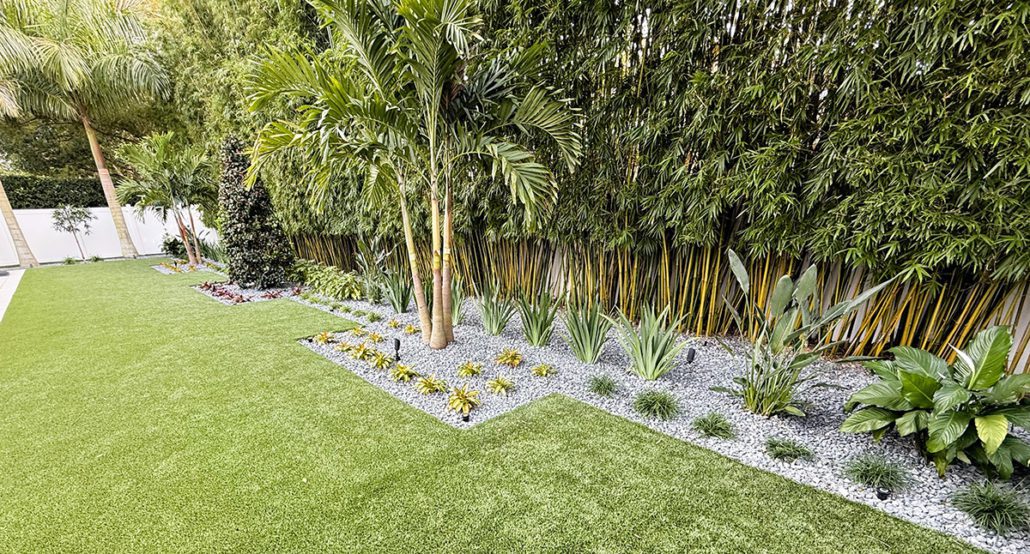
Privacy is one of the defining qualities of an estate property. In Orlando’s established communities — from Winter Park to Windermere, from Dr. Phillips to Lake Mary — a backyard should feel calm, protected, and intentionally composed rather than exposed or unfinished.
In estate-level backyard design, privacy and spatial planning are not decorative features — they are structural decisions that shape how the property functions and feels.
True privacy is not simply about blocking views. In thoughtful backyard design, privacy is achieved through spatial balance — shaping land, plantings, and transitions so the environment feels natural, settled, and quietly confident.
Privacy Begins With How the Backyard Is Used
Before recommending plantings or architectural elements, I begin by understanding how the backyard is meant to function — where family gathers, where entertaining takes place, which views should be preserved, and which areas would benefit from softening.
On estate-scale properties, privacy is not something added at the end of a project. It is a structural planning decision that influences circulation, sightlines, gathering areas, and overall flow. When resolved early — often beginning with a master plan for the property — the result feels integrated rather than reactive.
Layered Screening Creates Comfort Without Confinement
The most effective privacy strategies rely on layers rather than barriers.
Structured plantings, canopy trees, mid-level texture, and subtle architectural elements work together to create depth while preserving openness. This layered approach maintains proportion on larger lots and avoids the heavy, enclosed feeling that single-line hedging can create.
Backyard privacy should feel composed — not defensive.
Spatial Separation Shapes the Backyard Experience
On estate properties, privacy and spatial definition work together. Thoughtful transitions — subtle shifts in planting, gentle elevation changes, pathways that guide movement — create outdoor “rooms” that support different experiences without appearing overdesigned.
A well-planned backyard may include a quieter retreat near the home, a more social gathering space near a pool or patio, and transitional garden areas connecting the two. These separations establish rhythm and purpose while maintaining a unified aesthetic. The goal is refinement, not fragmentation, and reflects how a complete backyard design is structured as a system rather than as isolated elements.
Preserving Light, Air, and Long Sightlines
In Orlando’s climate, airflow and filtered light are essential to comfort. Well-considered spatial planning allows for screening where needed while preserving openness, lake views, and natural breezes where they enhance the property.
Privacy should never sacrifice scale or light. When done properly, the backyard feels protected without feeling closed in.
Materials and Planting That Mature Gracefully
Estate-scale backyard design requires materials and plant selections that hold their structure over time and complement the home’s architecture.
Rather than temporary solutions, the focus is longevity — elements that mature gracefully, maintain proportion, and continue to support the integrity of the property as the landscape evolves.
Respecting the Character of Orlando’s Estate Communities
Each Orlando-area neighborhood carries its own architectural rhythm and landscape context. Privacy and spatial planning must respond to architecture, lot scale, canopy, and sightlines rather than follow a one-size-fits-all approach.
Each community I work in has its own identity:
- Winter Park — historic charm and mature canopy
- Winter Garden — warm, approachable estates
- Windermere — lake views and long sightlines
- College Park — architectural detail and refined compact lots
- Dr. Phillips — modern preferences and established outdoor living
- Lake Mary & Heathrow — privacy, scale, and established neighborhoods
- Lake Nona — contemporary, active outdoor lifestyles
By respecting these distinctions, the final design feels timeless and appropriate to the land rather than imposed upon it.
A Backyard That Feels Whole
When privacy and spatial planning are handled with intention, the backyard feels cohesive. Nothing draws unnecessary attention, yet every element works together to support comfort, clarity, and long-term enjoyment.
Privacy, circulation, planting, and outdoor living features function best when resolved under a unified vision. Planning these elements together protects the integrity of the property and prevents piecemeal solutions.
If you are considering refining your backyard environment, a thoughtful design approach ensures the space feels balanced, protected, and distinctly your own.
Frequently Asked Questions
Q: Is backyard privacy only about planting hedges?
No. While plantings play an important role, privacy in estate backyard design is achieved through spatial planning, layered screening, and thoughtful transitions between outdoor areas. The most effective solutions balance structure, proportion, light, and airflow rather than relying on a single barrier.
Q: When should privacy and spatial planning be addressed in a project?
Privacy and spatial flow should be considered at the beginning of the design process. Decisions about screening, circulation, and sightlines influence the placement of patios, pools, and gathering areas. Resolving these elements early helps avoid piecemeal solutions later.
Q: Can privacy be added to an existing estate backyard without major reconstruction?
In many cases, yes. Strategic planting, adjusted circulation paths, subtle grade changes, and selective architectural features can refine privacy and spatial definition without rebuilding the entire space. The approach depends on the property’s scale and layout.
Q: How does Orlando’s climate affect privacy and spatial design?
Orlando’s heat, rainfall, and seasonal growth patterns influence plant selection, canopy density, and airflow. Effective privacy design must preserve light and ventilation while providing screening, ensuring the backyard remains comfortable throughout the year.
If You’re Considering a Privacy or Outdoor Living Project
The strongest results come from planning the property as a whole. Privacy, planting, lighting, circulation, and outdoor living features work best when resolved under a unified vision rather than addressed in phases.
If you’re considering refining your estate backyard, I invite you to begin with a thoughtful design consultation.
Schedule a private design consultation to discuss your property, your goals, and how a well-composed outdoor environment can elevate both comfort and long-term value.
Let’s create an outdoor space that feels quiet, refined, and genuinely your own.










Leave a Reply
Want to join the discussion?Feel free to contribute!